

Reaching
Is empathy a renewable resource or a finite one?

Sometimes when I run my hand
along the dusty shelves
and scrape a few dry crumbs
of empathy into my palm,
I close my eyes
and picture the shape
of your wounds:
how you reached
for a father’s embrace
that never came,
how you still reach, even now,
for errant crumbs
tossed mid-air
from any hand large enough
to look like his—
and then I wipe mine
against the seams
of my pants.
Commentary
This poem explores a truth people don’t like to admit:
sometimes we understand someone perfectly and still choose distance. The speaker isn’t checked out because they don’t care. They’re checked out because caring feels dangerous, draining, or endless.
The dusty shelves came first. Empathy here is something stored rather than felt, something that must be consciously retrieved when it no longer comes naturally. The scraping represents empathy as an effortful process, and what the speaker manages to gather is already dried out, already insufficient.
“Picture the shape of your wounds” honors the real seeing that happens. The speaker does close their eyes. They do try to imagine what it was like to grow up reaching and reaching. The poem holds both truths— that the seeing is genuine, and that it doesn’t save anything.
The Hand
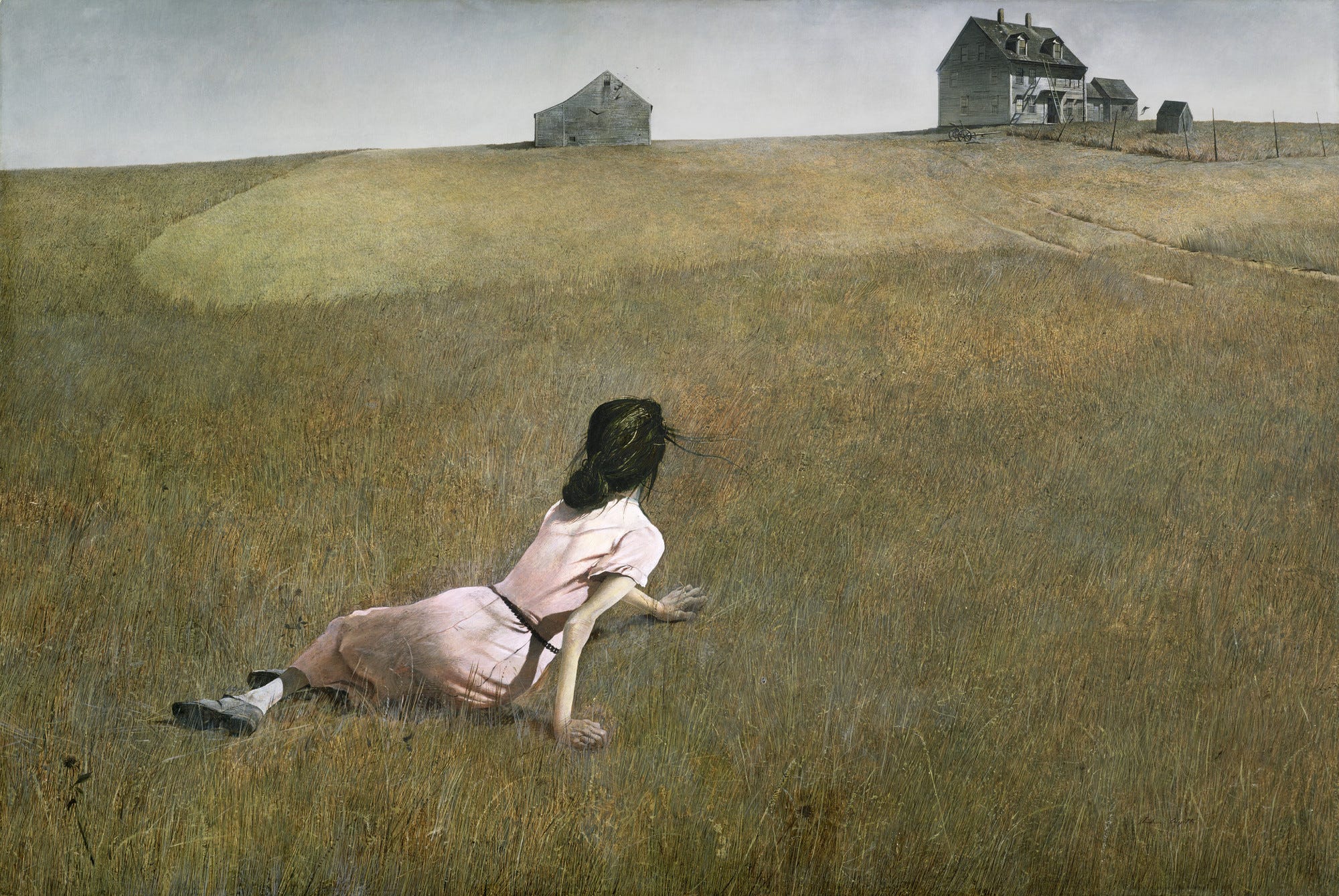
The poem’s central motif is the hand. The speaker’s hand seeks empathy, then wipes itself clean. The subject’s hand remains permanently extended in a reach that has become skeletal habit. The father’s hand is a phantom presence, large enough to loom but never close enough to be felt. Each hand fails in its own way.
The Wipe
The final line is the poem’s sting. In most poems about trauma, we expect a redemptive embrace or a moment of shared grief. Instead, we get a clean break.
The “you” is portrayed as someone shaped by a deep, early wound. Reaching for a father who never came is not a small ache—it’s a lifelong hunger. Anyone who gets close risks becoming a surrogate, a stand‑in, a source of endless reaching.
The act of wiping one’s hands on the seams suggests a rejection of the savior role: the speaker cannot fix a childhood they did not break. There is also a quiet finality. The seams represent a boundary, a place where fabric meets fabric and nothing passes through. By wiping there, the speaker dusts off the residue of caring for what cannot be changed.